Biometric Data Ownership Is Not a Consent Box
November 17, 2026
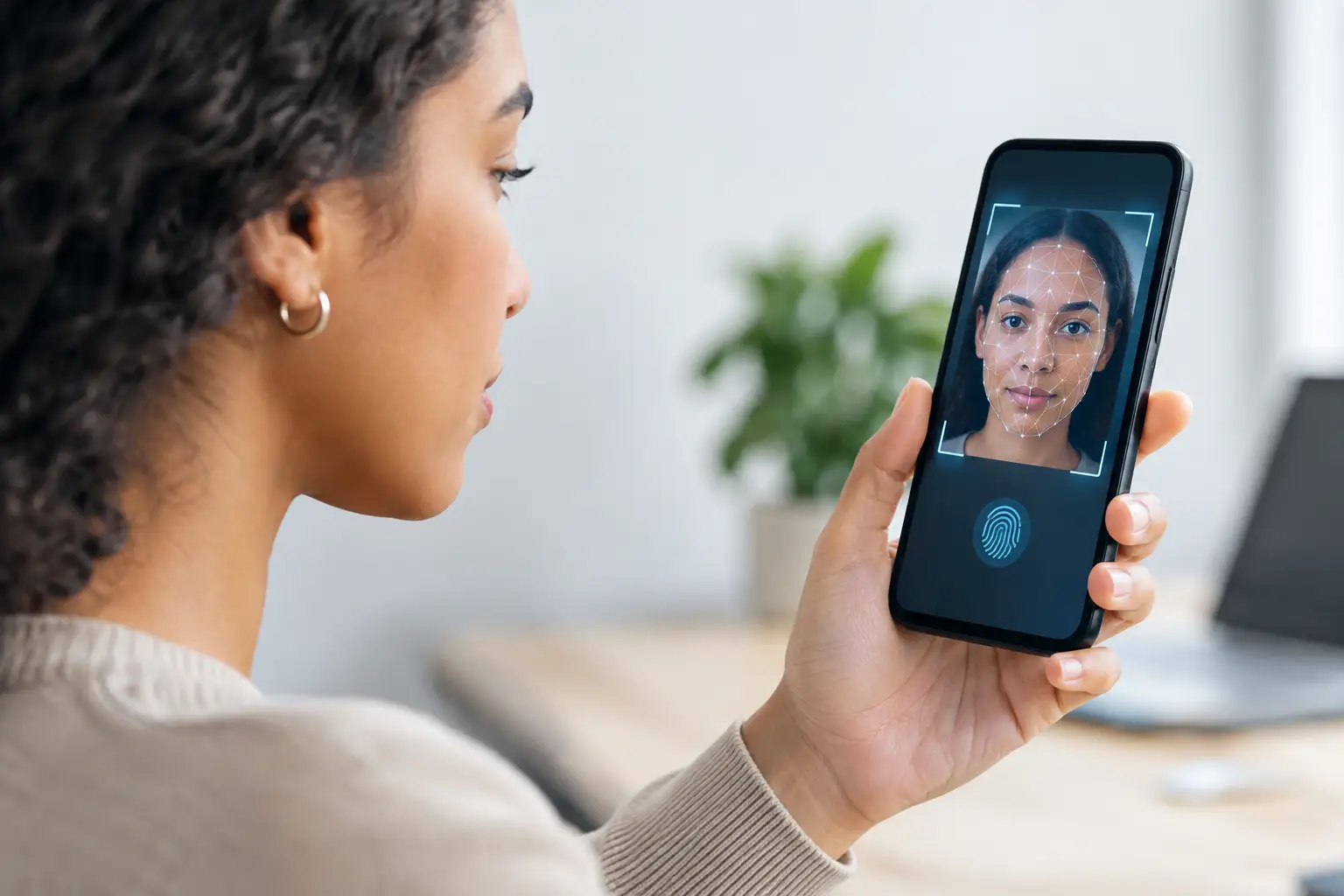
A fingerprint used to be something detectives dusted off a windowsill after a burglary. Now it unlocks a phone before coffee, verifies a bank transfer, checks a traveler through an airport, and may soon decide whether a familiar voice on the phone is really yours. Biometric data ownership has therefore become less of a legal curiosity and more of a household question: who owns the digital version of your face once a company has scanned it?
The casual answer is, naturally, “me.” It is my face. I have been carrying it around for years, usually without a licensing agreement. But the digital economy has a gift for turning obvious things into contractual fog. The moment your face is converted into a template, stored on a server, compared with a database, and perhaps used to train a system, the question of ownership becomes uncomfortable.
A face is not merely data. It is data you cannot replace after a leak. If a password is stolen, you change it. If your fingerprint template is copied, there is no customer-service desk where you can request a new thumb.
Why biometric data ownership is different
Biometric information includes fingerprints, facial geometry, iris scans, voiceprints, gait patterns, and sometimes behavioral signals such as how fast you type or hold a phone. A photo is not always a biometric record. It becomes one when software extracts a measurable identity signal from it and uses that signal to recognize, verify, or categorize someone.
That distinction matters because the useful part of biometric data is precisely what makes it risky. A retailer may say its camera system only measures movement. A workplace system may say it only checks attendance. An insurer may insist it is merely fighting fraud. All may be technically true, while still building a detailed map of human identity and behavior.
We are accustomed to exchanging personal data for convenience. An email address feels negotiable. A birthday can be entered incorrectly if one is feeling rebellious. Your face is less flexible. You cannot honestly tell the camera at the self-checkout that it belongs to someone else, unless you are prepared to make the grocery run rather theatrical.
The deeper issue is not only privacy. It is power. Whoever controls a biometric database can decide who gets recognized, who gets flagged, who gets denied entry, and who must prove they are not a machine, a fraudster, or an administrative inconvenience.
Consent is often a polite fiction
Most companies still treat the matter as if a checkbox settles everything. By continuing, you agree. By entering the venue, you agree. By accepting employment, you agree. This is consent in the same sense that agreeing to sit in the middle seat on a full flight is a lifestyle choice.
Real consent requires a realistic ability to say no without losing something essential. If face recognition is the only practical route into an apartment building, office, airport lane, or government service, refusal comes with a price. If an employer requires a fingerprint clock-in system, the employee’s freedom to decline may exist mostly in a lawyer’s imagination.
That is why the strongest privacy rules do more than demand consent. They require a specific purpose, minimal collection, clear retention periods, security safeguards, and limits on sharing. Europe’s privacy framework has pushed companies in this direction, while some American states, notably Illinois, have shown that biometric rules can have real teeth. Yet paperwork is not the same as restraint. A long privacy notice can explain a bad idea with impeccable grammar.
Ownership sounds simple, but it can mislead
Calling biometrics “property” has appeal. If people own their data, perhaps they can sell it, license it, or refuse its use. That sounds empowering until we ask what happens when cash is tight and a company offers $20 for a permanent right to analyze your face, voice, and health signals.
We have seen this movie before with personal data. The result is rarely a confident citizen negotiating with a corporation as equals. It is usually a pop-up window, an impatient queue, and a button labeled “Accept all.” Turning identity into a tradable asset could make the gap wider, not smaller.
A better starting point is not ordinary ownership but enduring personal rights. People should have the right to know when biometric data is collected, what is derived from it, who receives it, and when it is deleted. They should be able to challenge inaccurate matches and obtain a meaningful alternative where biometric identification is not truly necessary.
Some uses should face a much higher bar. Mass surveillance in public spaces, emotion detection in schools or workplaces, and systems that infer character or risk from a face deserve skepticism before deployment, not apologies afterward. A machine that claims it can read honesty from a cheekbone is not futuristic. It is phrenology with a cloud subscription.
The hidden problem is the template
Companies often reassure users that they do not store an image, only a biometric template. That can be a sensible security practice. A well-designed template may be difficult to reverse into a photograph and can be stored locally on a device rather than in a central database.
But “not a photo” does not mean “not sensitive.” A template can still identify a person. It can still be linked across systems. It can still be stolen, misused, or retained long after the original purpose has disappeared. The distinction is technical, not magical.
The best design is often the boring one: keep biometric matching on the user’s device, avoid central storage, collect no more than needed, and erase the data quickly. For example, a phone that compares a fingerprint locally to unlock itself presents a different risk from a stadium operator sending every visitor’s facial template to a remote vendor. Both involve biometrics. Only one creates a tempting database of thousands of people who came to watch a game and buy an overpriced soda.
When society may legitimately ask for it
None of this means biometrics are inherently sinister. They can reduce fraud, help people with disabilities access services, speed up border processing, and make security less irritating. A voiceprint can protect a customer from account takeover. A fingerprint reader can be safer than a four-digit code written on a sticky note beneath a keyboard, the traditional cybersecurity strategy of the optimistic.
The question is whether the use is proportionate. A high-security laboratory has a stronger case for biometric access controls than a neighborhood gym. Verifying that a passport holder is present at a border is different from scanning every passerby to identify potential shoppers. Context matters, and so does the availability of a non-biometric alternative.
Public institutions should be held to an especially strict standard. Citizens cannot easily take their business elsewhere. If a government builds a biometric system, it must explain the purpose in plain language, publish independent audit results, limit access, and create a fast route for correction and redress. “Trust us, the algorithm is complicated” is not a democratic governance model.
What a fair biometric bargain looks like
A reasonable social contract would treat biometric data as permanently tied to the person, even when a company processes it. Organizations could receive a narrow, temporary permission for a stated purpose. They would not gain a blank check to reuse the data for marketing, profiling, AI training, or sale to a partner with an impressive logo and a vague business plan.
That bargain should include deletion by default once the purpose ends, independent security testing, human review for consequential decisions, and serious penalties when organizations cut corners. It should also require disclosure when a system makes a biometric judgment, especially where work, housing, credit, education, or public services are involved.
There is one more duty for the rest of us: resist the lazy bargain of trading permanence for speed. Convenience is pleasant, but it has a poor record as a constitutional principle. The next time a camera asks for your face in exchange for shaving six seconds off a queue, ask the question companies hope remains invisible: what exactly are you keeping, and why?
Your face is not a password reset option. It deserves rules designed accordingly.